(Originally Published: June 2023. Updated: March 2026)
Your nails feel soft. They bend when you press them. Maybe they split the moment they get any length to them. You assume they’re weak, that it’s just how they are.
Most of the time, that’s not the full picture. Healthy and strong nails aren’t something you’re born with or without. They’re the result of small, consistent habits that most people never learn. Not because the information doesn’t exist, but because it gets buried under vague advice like “take care of your nails” without anyone explaining what that actually looks like day to day.
I’m a nail technician, and I see the consequences of skipped steps and common mistakes every single week. So here’s what I’d tell a friend if they asked me how to actually look after their nails.
Building a Proper Nail Care Routine
A good routine doesn’t need to be complicated. It just needs to cover the basics consistently.
Keep them clean, gently. A soft brush and a mild cleanser are all you need. You’re not scrubbing a pan. Aggressive cleaning damages the nail bed and the delicate skin around it.
File in one direction. Use a fine-grit file and move it in a single direction rather than sawing back and forth. Sawing creates micro-tears in the nail edge, which is exactly how splits and peeling start. If you’re not sure which nail shape suits your hands, an oval or soft square is a safe starting point for most people.
Be careful with buffing. A gentle buff can smooth out surface texture, but it’s easy to overdo it. Every pass of a buffer removes a thin layer of your nail plate. If you buff too often or press too hard, you’ll thin the nail out and make it more prone to bending and breakage. Once every few weeks is plenty, and only with a light touch.
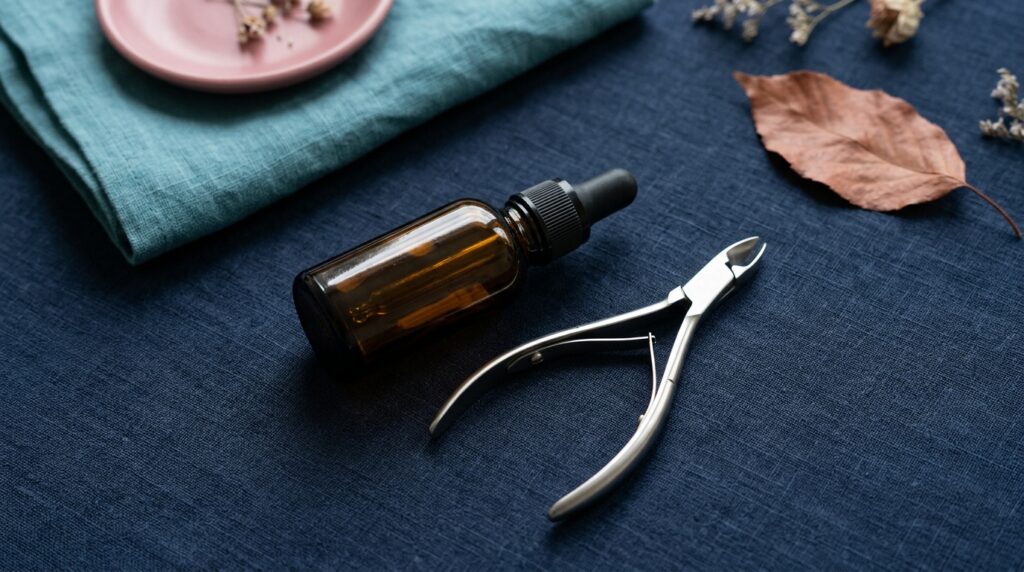
Hydrate as a routine step, not an afterthought. This is the one most people skip, and it’s arguably the most important. Your nails and cuticles need moisture just like your skin does. A good cuticle oil applied twice a day makes a noticeable difference within a couple of weeks. I’ve written more about why hydration matters and how to tell if your nails are dehydrated rather than weak.
Be smart about nail polish remover. If you wear regular polish, acetone-free remover is the gentler option and works perfectly well for standard lacquer. Acetone is more effective for tougher jobs, and there’s nothing wrong with using it at home when you need to. The real issue isn’t acetone itself, it’s the dehydration it causes. If you do use it, follow up straight away with cuticle oil and a good hand cream. That one step makes a significant difference to how your nails recover.
What Your Nails Are Trying to Tell You
Vertical ridges running from the cuticle to the tip are normal and become more noticeable as you get older. They’re not a sign of damage.
Horizontal ridges are different. These can indicate a period of stress, illness, or trauma to the nail matrix. They grow out on their own, but if you notice them appearing regularly, it’s worth paying attention to what your body might be going through.
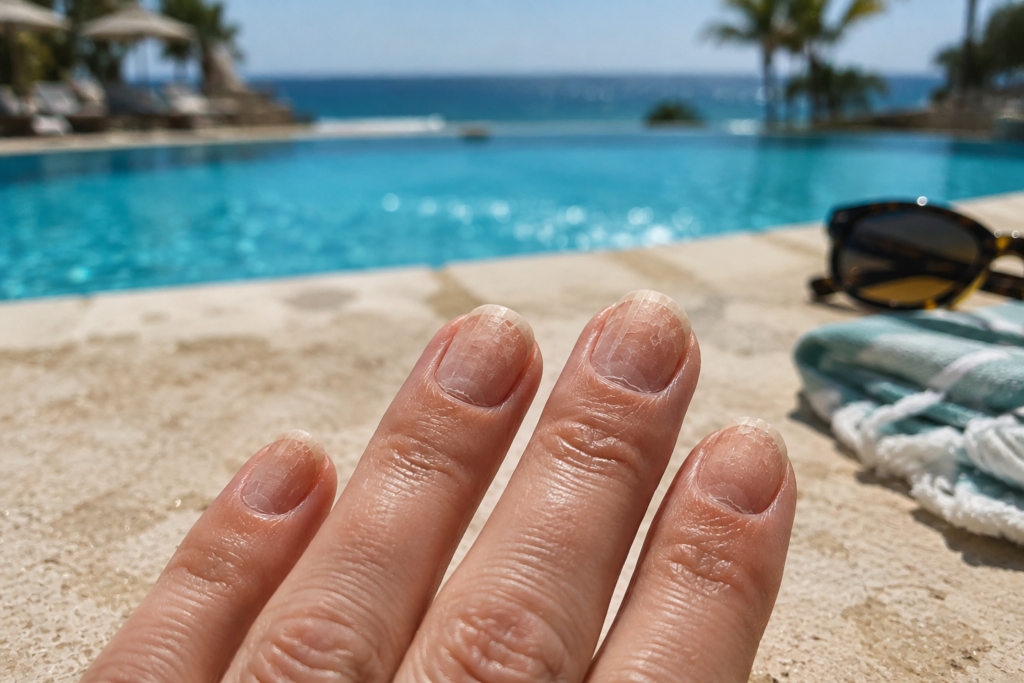
Peeling nails are often a sign of dehydration or repeated exposure to water and chemicals without protection. If you want to understand what’s actually going on when your nails peel, I’ve covered that in more detail separately. And if your nails are consistently brittle, the cause could be anything from diet to environment to over-processing. The point is, your nails give you information. It’s worth learning to read it.
Nutrition and Nail Health
What you eat shows up in your nails, though it takes time. Nails grow slowly, so dietary changes won’t produce overnight results, but they do matter over weeks and months.
The most important thing is a varied, balanced diet. When your body is short on key nutrients, your nails are often one of the first places it shows. A few worth knowing about:
Biotin is one you’ll hear mentioned a lot in connection with nails. If you’re genuinely deficient, it can contribute to brittleness. But for most people eating a reasonably varied diet, you’re likely getting enough already. Eggs, almonds, and avocados are all good sources. There’s no strong evidence that supplementing beyond adequate levels will make your nails noticeably stronger, so I’d focus on your overall diet first before reaching for a supplement.
Vitamin E helps moisturise and nourish the nail from the inside out. Good sources include spinach, broccoli, and nuts.
Omega-3 fatty acids reduce brittleness and inflammation. Salmon, chia seeds, and flaxseeds are all reliable options.
If your nails are consistently brittle despite good external care, it’s worth looking at what’s on your plate. And if you suspect a genuine deficiency, your GP can help you work that out properly.
Nail Care Dos and Don’ts
Do moisturise your nails and cuticles regularly. A nourishing cuticle oil or cream keeps them hydrated and prevents the dryness that leads to brittleness and hangnails. For more on how to look after your cuticles properly, I’ve covered that in detail separately.
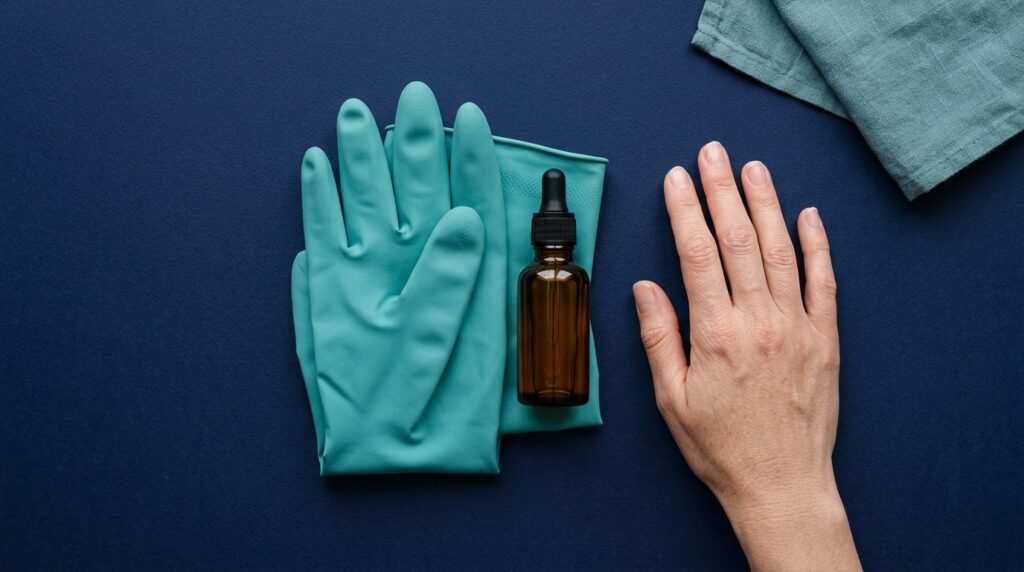
Do wear gloves for household chores. Cleaning products, hot water, and detergents are all hard on your nails. Gloves are a small habit that makes a big difference.
Don’t use your nails as tools. Opening packages, peeling stickers, scraping labels. Every time you do this, you’re putting stress on the nail plate in ways it’s not designed to handle. Reach for a proper tool instead.
Don’t bite or pick at your nails and cuticles. It damages the nail structure and opens the door to infection. If you’re a picker, especially with gel or acrylic, I’d encourage you to read about what actually happens when you pick off your enhancements.
A Simple DIY Nail Treatment
You don’t need a cupboard full of products to treat your nails at home. One of the most effective things you can do is make your own cuticle oil.
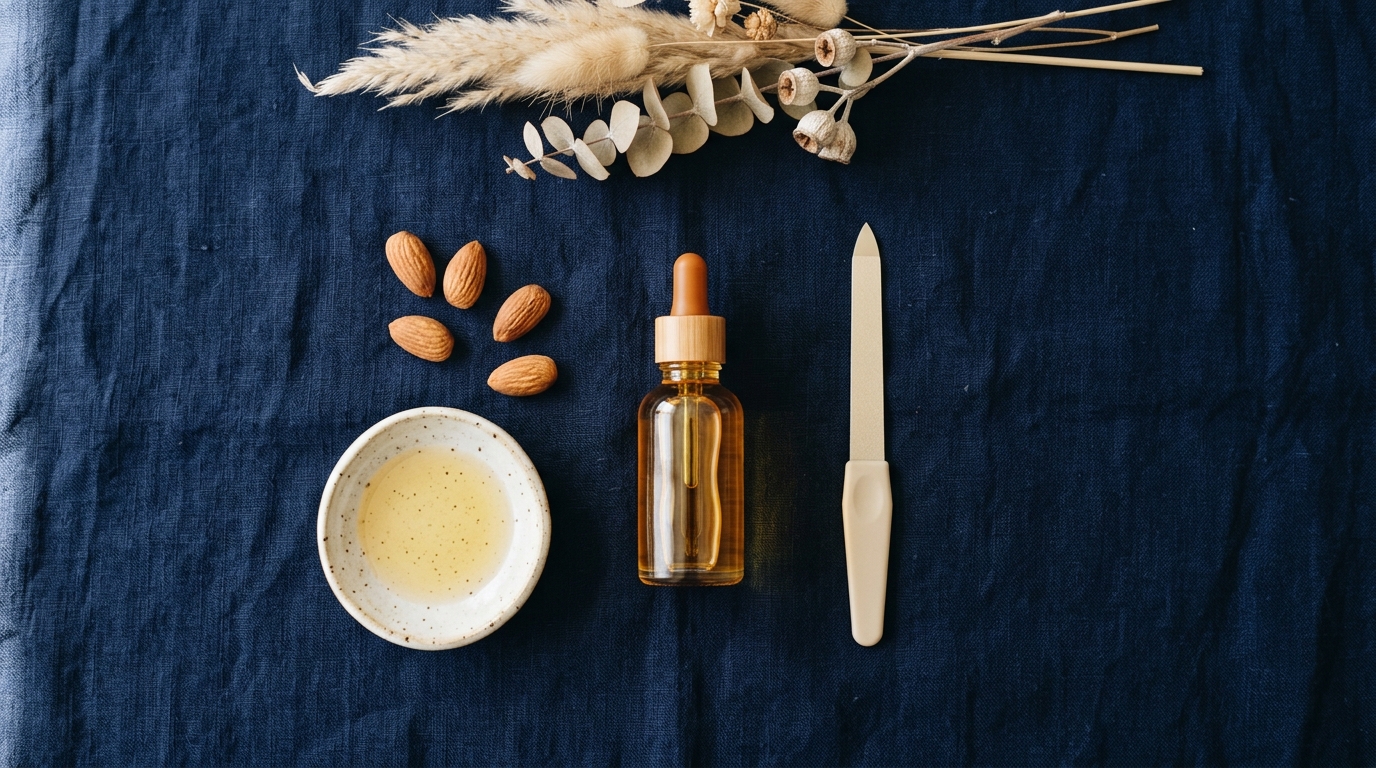
Mix a few drops of vitamin E oil with a carrier oil like jojoba or sweet almond oil. Massage it into your cuticles and nail plates daily. That’s it. Jojoba oil is particularly good because its structure is close to the natural oils your skin produces, so it absorbs well without feeling greasy.
If you want to take it a step further, warm a small amount of plain jojoba or sweet almond oil and soak your fingertips in it for ten minutes. Then massage whatever remains into your nails and cuticles. It’s simple, effective, and uses ingredients that genuinely help rather than irritate.
When Professional Care Makes a Difference
Good home care is the foundation, but there are things a professional service can do that home care can’t.
I offer builder gel as part of my services, and it’s one of the best options for anyone who wants to grow their natural nails with a bit of extra support. Builder gel adds a protective layer over your natural nail, giving it strength and structure so it can grow longer without snapping or peeling back. Unlike traditional acrylic extensions, the goal here is to work with your natural nail, not replace it.
One question I get asked a lot is whether nails need a break from enhancements. The honest answer is that builder gel, when applied and removed properly, doesn’t damage the natural nail underneath. It’s poor application, rough removal, or picking that causes problems. If your enhancements are being maintained correctly, your nails aren’t suffering under them. I’ve written more about the “break” question and the myths around it if you’re curious.
I also provide proper cuticle care as part of every appointment. Healthy cuticles aren’t just about appearance. They’re the seal that protects your nail matrix from bacteria and infection.
If you’re not sure which type of enhancement or service suits your nails, I take a prescriptive approach to every appointment. That means I assess your nails as they are now and recommend what will actually work for you, rather than defaulting to one option for everyone.
What to Do Next
You don’t need to overhaul everything at once. Pick the gap that’s most obvious in your current routine and start there.
If you’re not using cuticle oil, start. If you’re sawing your nails with a coarse file, switch to a fine-grit one and file in one direction. If you’re doing your washing up without gloves, get a pair.
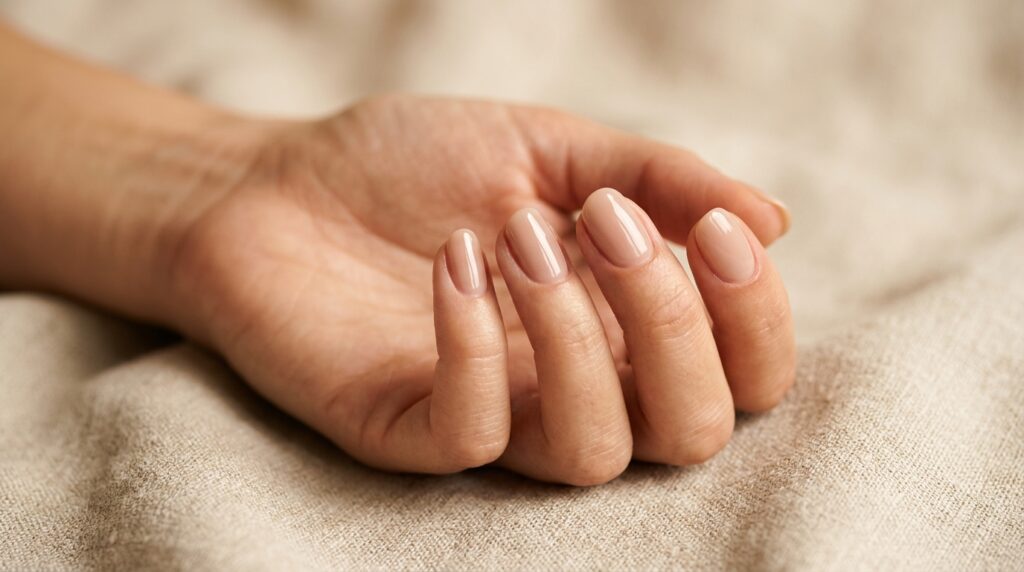
Small, consistent changes are what actually build healthy and strong nails. Not products, not quick fixes, just better habits repeated over time.
And if you’d like professional support alongside your home care, you can book an appointment with me through my online booking page. I work from a private, home-based studio in Crosby and I’m glad to talk through what your nails need.
(Originally Published: June 2023. Updated: March 2026)
Excerpt: Healthy and strong nails come from small, consistent habits. These nail care tips for healthy and strong nails cover everything from building a proper routine and reading what your nails are telling you, to nutrition, DIY treatments, and knowing when professional care can help.