
(Originally published: June 2023. Updated: March 2026)
You probably don’t think about your cuticles much. Maybe you notice them when they’re dry and peeling, or when a hangnail catches on your jumper and makes you wince. But those thin little strips of skin at the base of your nails are doing more than you’d expect, and looking after them properly is one of the simplest things you can do for healthier, better-looking nails.
Here’s what your cuticles actually do, why they deserve a bit more attention, and the cuticle care tips that genuinely make a difference.
What Your Cuticles Actually Do
Your cuticles form a seal between the nail plate and the skin surrounding it. That seal is a barrier. It stops bacteria and fungi from getting into the nail bed, which is where infections like greenies start.
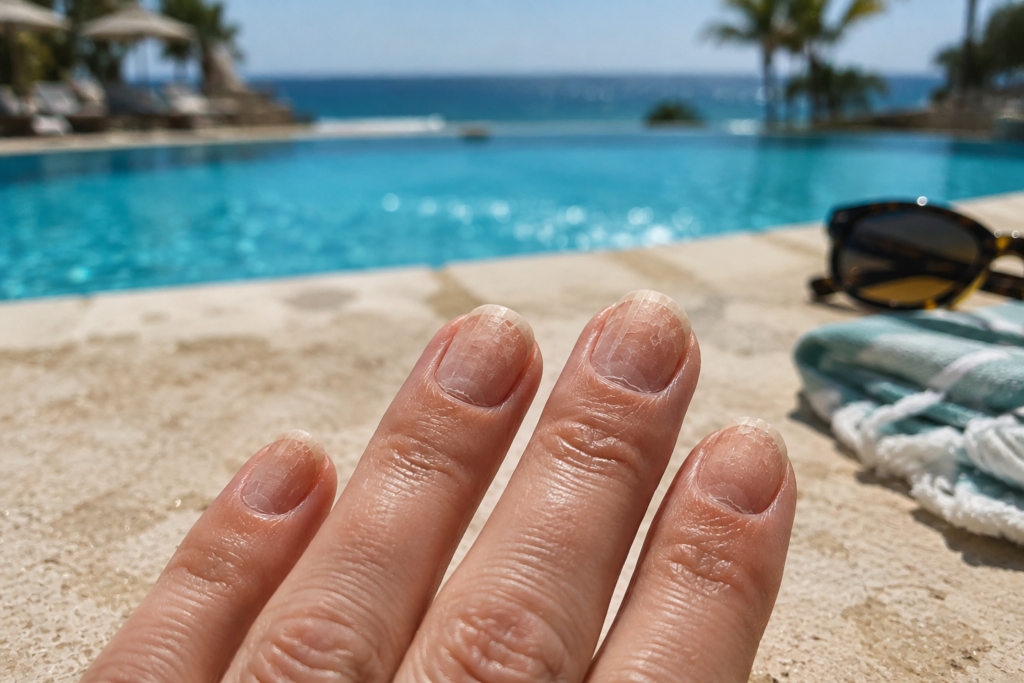
When cuticles are healthy, hydrated, and intact, they do this job quietly. When they’re dry, cracked, or damaged, that barrier is compromised. It’s not just a cosmetic issue. It’s a health one.
Why Cuticle Care Matters for Your Manicure Too
If you wear gel polish or builder gel, cuticle care is directly linked to how long your manicure lasts. Any cuticle tissue left sitting on the nail plate creates a gap between the product and your natural nail. That gap is where lifting starts, and lifting is usually the beginning of the end for a set of nails.
This is why I spend time on cuticle prep at every appointment. It’s also why I use a dry manicure technique rather than soaking your nails in water before a service. Thorough, careful cuticle work on a dry nail gives the product the best possible surface to bond to. It’s one of the biggest factors in getting a manicure that actually lasts.
What you do between appointments matters too. Cuticles that are well-maintained at home are easier for me to work with, and your nails benefit from that in every direction.
Moisturise with Cuticle Oil
Cuticle oil is the single most useful product you can add to your nail care routine. It keeps your cuticles hydrated and flexible, which prevents the cracking and peeling that leads to hangnails and rough skin.
Apply a small drop to each cuticle and massage it in gently with a circular motion. This helps the oil absorb and promotes blood flow to the nail matrix, which supports healthy nail growth. Doing this once or twice a day makes a noticeable difference within a couple of weeks.
Look for oils that contain jojoba oil, vitamin E, or sweet almond oil. Jojoba in particular is excellent because its molecular structure is close to the skin’s natural sebum, so it absorbs well without leaving a greasy residue.
If you’re only going to do one thing on this list, make it this.
Add a Cuticle Balm for Extra Protection
Cuticle oil hydrates. Cuticle balm protects.
Balms are thicker and sit on the surface of the skin, creating a barrier that locks in moisture and shields your cuticles from the elements. They’re especially useful in colder months when central heating and cold wind dry everything out. If winter nail care is something you struggle with, a balm can make a real difference.
Apply a small amount to each cuticle before bed and let it work overnight. Look for balms containing shea butter, beeswax, and botanical oils for deep, lasting hydration.
You don’t need both oil and balm every single time. Oil during the day, balm at night is a good rhythm if you want to keep things simple.
Gentle Cuticle Pushing at Home
Regularly pushing back your cuticles keeps the nail plate clear and your nails looking neat. It’s a straightforward habit to build, as long as you do it gently.
Soften your cuticles first by soaking your fingertips in warm water for a few minutes. Then, using an orangewood stick or a cuticle pusher, push the cuticle back towards the nail fold using small, circular movements. Don’t press hard. The skin should move easily once it’s softened. If it’s resisting, it needs more time to soften, not more force.
One important note: this soaking method is for home maintenance only. If you’ve got a nail appointment coming up, don’t soak your nails beforehand. Water causes the nail plate to expand, and when it contracts again after drying, it can compromise product adhesion and shorten the life of your manicure.
The Difference Between Cutting Cuticles and Tidying Loose Skin
This is where things get confusing for a lot of people, so I want to be clear about what I mean.
Your cuticle is living tissue. Cutting into it opens a wound, creates an entry point for bacteria, and often makes things worse because the skin grows back thicker and more aggressively. That’s the cutting I’d always recommend you avoid at home. It’s a job for a trained nail technician who can see clearly what they’re working with and use the right tools safely.
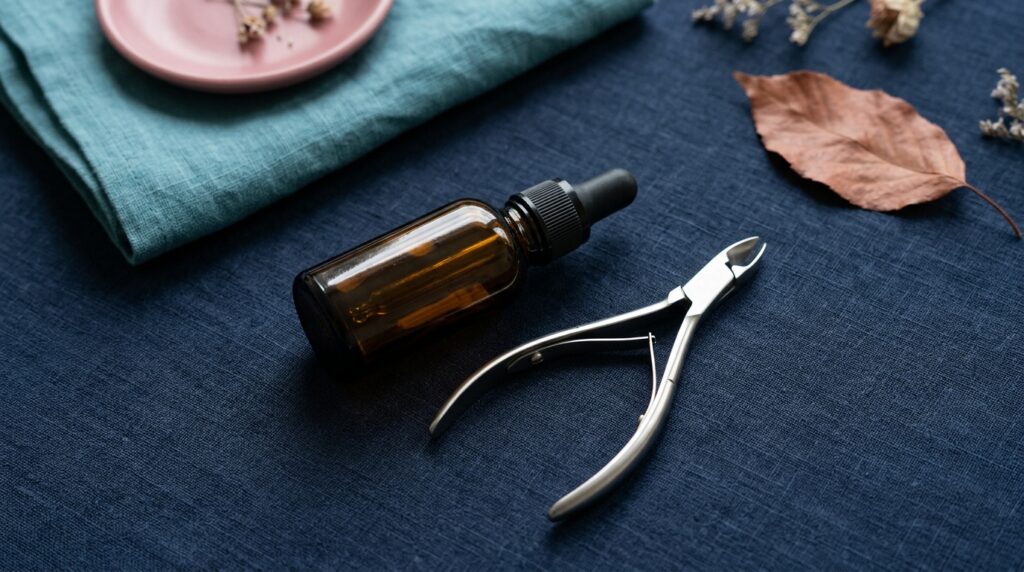
That said, sometimes you’ll have a loose bit of dead skin, a hangnail, or a dry, detached tag of skin that’s catching on things and at risk of tearing. Carefully snipping that away with clean, sharp cuticle nippers is fine. You’re removing dead, detached skin, not cutting into anything living.
The key distinction: if it’s attached, healthy, and sitting flush against the nail, leave it alone. If it’s loose, dead, and lifting away from the skin, you can carefully tidy it up. If you’re unsure, leave it. I’d rather address it at your next appointment than have you deal with an infection from an overzealous trim.
Protect Your Hands
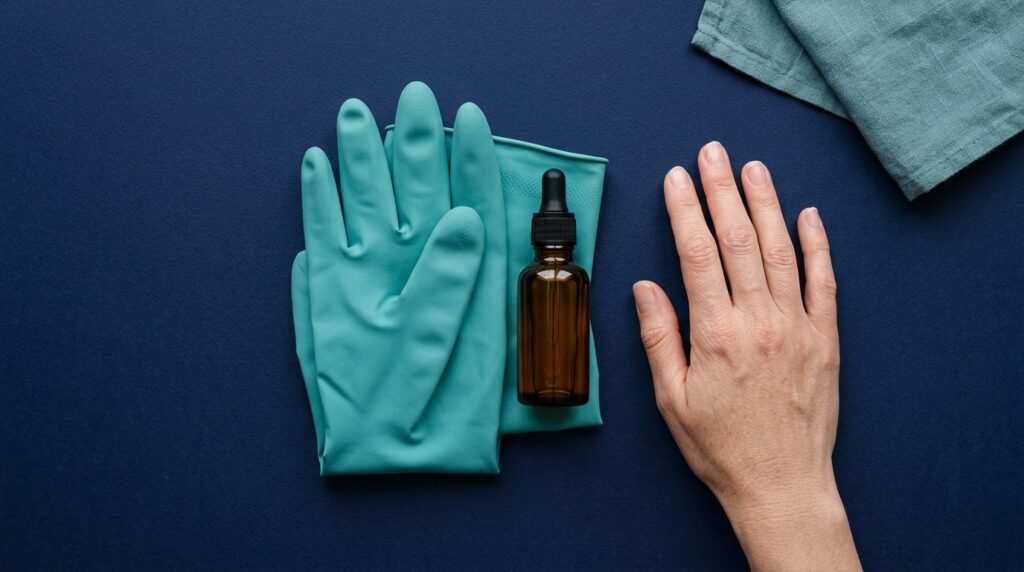
This is practical advice that sounds obvious but makes a genuine difference. Wear gloves when you’re washing up, cleaning with chemicals, or gardening. Prolonged exposure to water, detergents, and harsh products strips moisture from your cuticles and skin faster than any oil can replace it.
Rubber gloves for wet work, gardening gloves for outdoor tasks. It takes a few seconds to put them on and saves weeks of trying to repair dry, cracked cuticles.
Nourish from Within
Your cuticles reflect your overall health. If you’re dehydrated or not getting the nutrients your body needs, your cuticles and nails will show it.
Drinking enough water is the foundation. Beyond that, nutrients like biotin, zinc, and omega fatty acids all support nail and skin health. You don’t need expensive supplements if your diet is varied. Foods like eggs, nuts, oily fish, and leafy greens cover most of it.
It won’t give you overnight results, but consistent hydration and good nutrition create the conditions for everything else to work better.
Building a Simple Cuticle Care Routine
You don’t need to overhaul your life. A good cuticle care routine looks like this:
Daily: Apply cuticle oil at least once, ideally twice. Before bed is the most effective time because the oil can absorb without being washed off.
As needed: Push back your cuticles gently after softening them. Once a week is enough for most people.
When it’s cold or dry: Add a cuticle balm before bed for that extra layer of protection.
Always: Wear gloves for wet or chemical-heavy tasks. Be gentle with your hands. Don’t pick, bite, or tear at your cuticles, no matter how tempting it is.
Leave for your nail tech: Any cutting, trimming of healthy tissue, or cuticle work before a gel or acrylic appointment. I’ll handle that part properly and safely.
What Healthy Cuticles Look Like in Practice
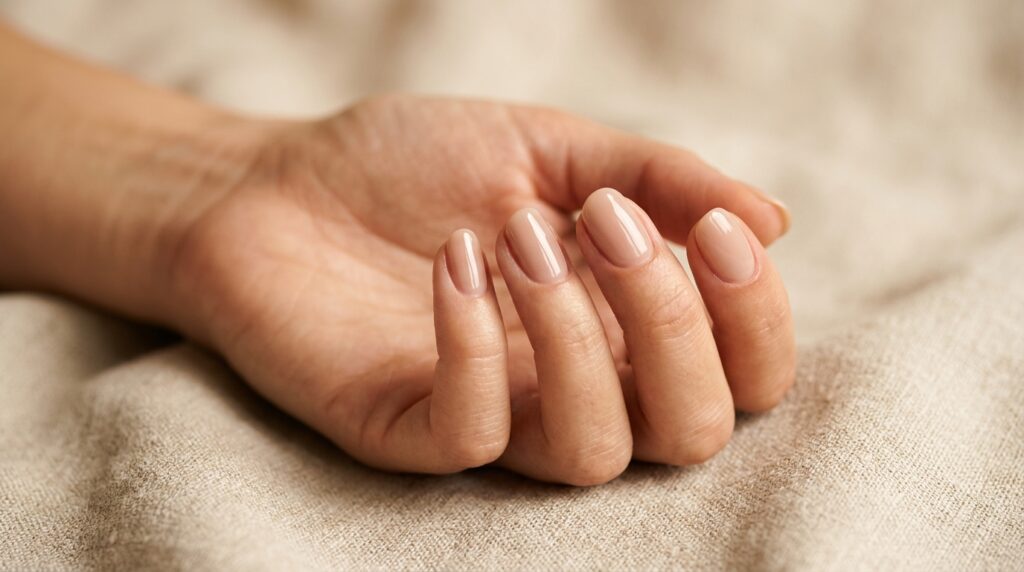
Healthy cuticles are smooth, flexible, and barely noticeable. They don’t peel, crack, or snag. They don’t feel tight or dry. They just sit neatly at the base of your nail and do their job.
Getting there doesn’t require expensive products or complicated routines. It requires consistency. A few minutes a day with a good cuticle oil, a bit of awareness about protecting your hands, and trusting your nail tech to do the detailed work at each appointment.
If you’ve been neglecting your cuticles and this post has made you think twice, that’s a good place to start. Pick up a cuticle oil, use it tonight, and see how your nails feel in a fortnight. Small, consistent steps are how real results happen.
(Originally published: June 2023. Updated: March 2026)