
You notice it when you’re opening a can, peeling off a label, or just catching your nail on your jumper. A sharp snap, a jagged edge, and another nail gone. It keeps happening, and you start to wonder if your nails are just like this now.
They probably aren’t. Brittle nails are incredibly common, but they’re rarely permanent and almost never random. There’s usually a reason, and once you understand it, there’s usually a fix.
What “Brittle” Actually Means
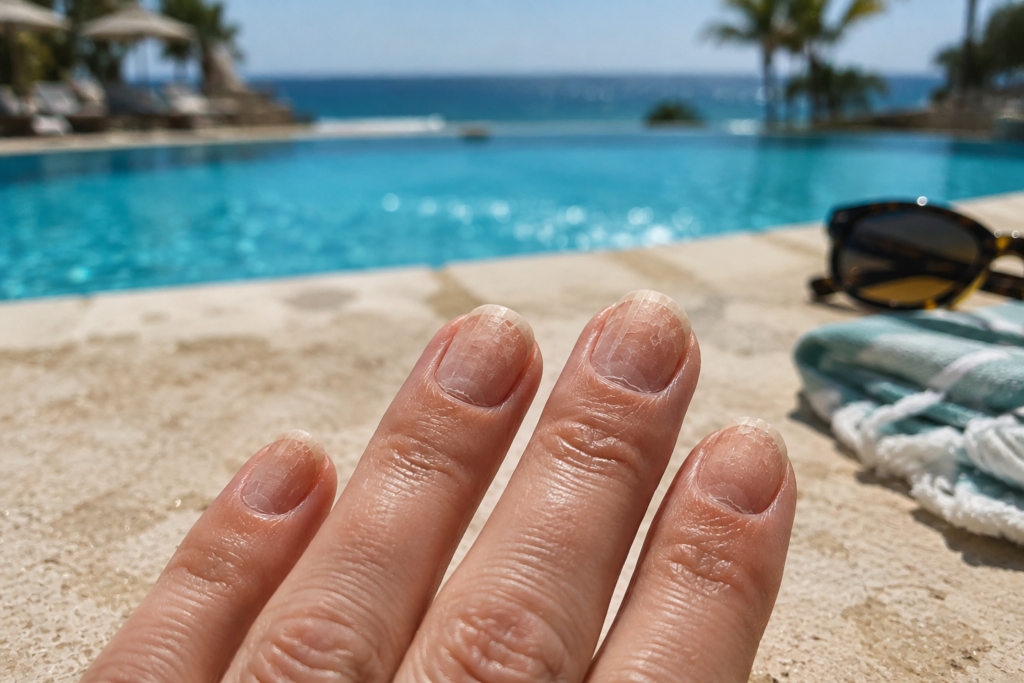
When people say their nails are brittle, they usually mean one of two things: nails that snap easily, or nails that split and peel in layers. These are actually different problems with different causes, but they both fall under the “brittle” umbrella.
True brittleness is about the nail plate losing its flexibility. A healthy nail has a balance of strength and bend. It can absorb a bit of impact without cracking. When that balance shifts too far towards rigidity, nails become stiff and snap cleanly. When it shifts the other way, nails become soft and tear. I’ve written about that second problem in more detail in my post on whether your nails are actually weak or just dehydrated.
Brittleness isn’t a diagnosis. It’s a symptom. And the fix depends entirely on what’s driving it.
The Most Common Causes of Brittle Nails
Dehydration
This is by far the biggest one I see. Your nails need moisture to stay flexible, and they lose it constantly. Every time you wash your hands, use hand sanitiser, or clean with harsh products, you’re stripping oils and water from your nail plate.
If your nails feel hard and dry, and they tend to snap rather than tear, dehydration is the most likely culprit. It’s worse in winter when the air is drier and you’re washing your hands in hot water more often. I covered this in detail in my winter nail care guide if you want the full picture.
Chemical Exposure
You don’t need to work in a lab for this to apply. Household cleaning products, acetone-based removers, and even prolonged contact with water can weaken your nails over time. If you’re cleaning without gloves, your nails are absorbing chemicals that strip them of their natural oils.
Acetone is a particular culprit. It’s very effective at removing polish and enhancements, but it’s also very drying. If you’re using it frequently without rehydrating your nails afterwards, brittleness is almost inevitable.
Picking or Peeling Off Nail Products
I talk about this a lot because I see the aftermath constantly. When you peel off gel polish, builder gel, or acrylics, you don’t just remove the product. You pull away layers of your actual nail plate. What’s left is thinner, weaker, and far more prone to breaking.
If your nails became brittle after removing enhancements, this is very likely what happened. I’ve written a whole post on what happens when you pick off gel that explains the damage in more detail.
Nutritional Gaps
Your nails are made of keratin, a protein. Building and maintaining healthy keratin requires a range of nutrients, including biotin, iron, zinc, and omega-3 fatty acids. If your diet is lacking in any of these, your nail growth can suffer.
This doesn’t mean you need to rush out and buy every supplement on the shelf. For most people, a balanced diet covers it. But if you’ve noticed changes in your nails alongside fatigue, hair thinning, or other signs, it’s worth having a conversation with your GP. Brittle nails can occasionally flag underlying issues like thyroid problems or iron deficiency anaemia.
Age
It’s not the most exciting answer, but it’s an honest one. As we get older, our nails naturally produce less oil. They grow more slowly and tend to become drier and more prone to splitting. This is normal. It doesn’t mean you can’t improve things, but it’s worth knowing that what worked for your nails at 25 might need adjusting at 45.
Over-Filing or Rough Manicures
If your nails are being filed too aggressively, or if the surface is being buffed too hard during manicures, the nail plate gets thinned from the outside in. This is especially common with electric files in the wrong hands, but even manual filing in the wrong direction can cause peeling and weakness.
A good nail technician will only remove what needs removing and will never thin your natural nail unnecessarily. If you’re consistently leaving appointments with nails that feel sore or look translucent, something isn’t right.
How to Treat Brittle Nails at Home
Cuticle Oil, Twice a Day Minimum
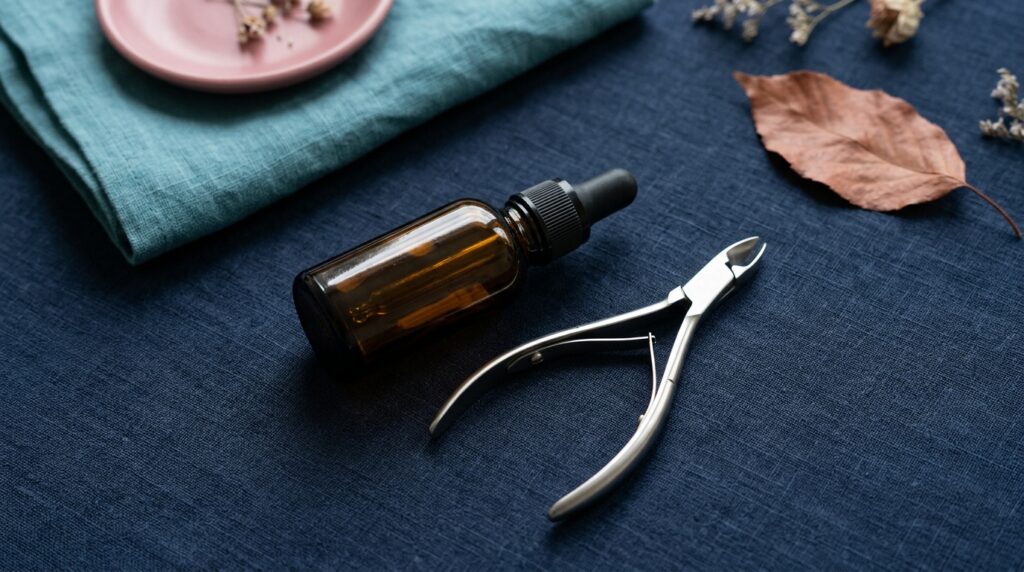
I say this so often it might as well be tattooed on me. Cuticle oil is the single most effective thing you can do for brittle nails at home. It rehydrates the nail plate, nourishes the cuticle, and supports healthy growth from the matrix.
Apply it morning and evening as a bare minimum. More often if you can manage it. Work it into the cuticle and the skin around the nail, and let it absorb. This isn’t just cosmetic. It genuinely changes the condition of your nails over time. My ultimate guide to cuticle care walks through the full routine.
Wear Gloves for Cleaning
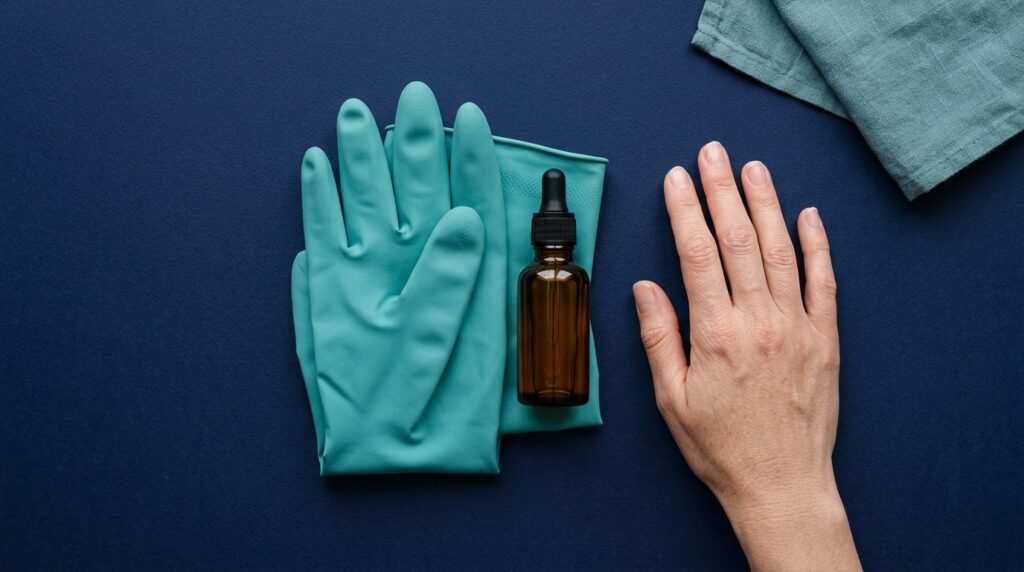
Simple, unglamorous, and incredibly effective. Rubber gloves create a barrier between your nails and the chemicals, detergents, and hot water that dry them out. Keep a pair by the sink. It makes a bigger difference than most products on the market.
Stop Using Your Nails as Tools
Opening cans, scraping labels, picking at things. These habits put lateral stress on the nail plate, which is exactly the kind of force that causes clean breaks. Use a tool instead. Your nails will thank you.
File in One Direction
Sawing back and forth with a nail file creates micro-tears in the free edge. These tiny fractures travel down the nail and become splits or breaks. File in one direction only, from the outside edge towards the centre, using a fine-grit file. It takes a little more patience, but the results are noticeably better.
Choose the Right Enhancement
If your nails are brittle and you want length or strength, the right nail enhancement can actually protect them while they recover. Builder gel adds a flexible, reinforcing layer over your natural nail without the rigidity of some harder products. It’s one of the reasons I use it so often for clients with naturally fragile nails. You can read more about what builder gel is and how it works if you’re curious.
The key is choosing the right system for your nail type. A prescriptive manicure approach means your technician assesses your nails and picks the product that suits them, rather than defaulting to the same thing for everyone.
Look at Your Diet
Make sure you’re getting enough protein, healthy fats, and key micronutrients. Eggs, oily fish, leafy greens, nuts, and seeds are all good sources. If you suspect a deficiency, see your GP before self-supplementing. Biotin supplements get a lot of attention, but the evidence for them is strongest in people who are actually deficient rather than the general population.
When to See a Professional
Most brittle nails are a lifestyle issue. Dehydration, chemical exposure, bad habits. They respond well to consistent care at home.
But if your nails have changed suddenly, if they’ve become very thick or discoloured alongside brittleness, or if nothing you try seems to make any difference, it’s worth seeing your GP. Nail changes can sometimes indicate thyroid conditions, psoriasis, fungal infections, or nutritional deficiencies that need medical attention.
A good nail technician can also help you identify what’s going on. I often spot things during appointments that clients haven’t noticed themselves, like thinning from previous damage, signs of dehydration, or product reactions. If you’re getting regular manicures, that relationship is genuinely valuable for keeping tabs on your nail health. My broader guide on keeping nails healthy and strong covers more of what to look out for.
The Honest Timeline
Here’s the part nobody loves hearing. Your nail plate takes roughly four to six months to grow out completely. That means the nail you can see today was formed months ago. Any improvements you make now will show in new growth, but they won’t magically fix what’s already there.
This is why consistency matters more than intensity. You don’t need ten products and a complicated routine. You need cuticle oil, gloves, decent nutrition, and patience. Every day, for months. The nails that eventually grow through will be noticeably different.
Moving Forward
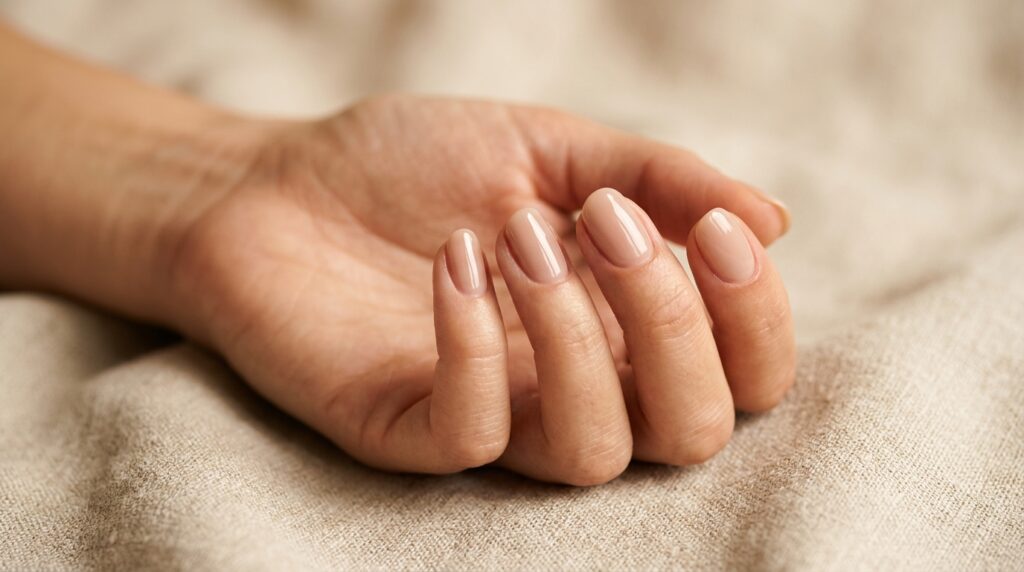
Brittle nails aren’t something you’re stuck with. In most cases, they’re your nails telling you something is off, whether that’s hydration, nutrition, habits, or how they’re being treated during manicures. Once you identify the cause, the solution is usually straightforward. Not instant, but straightforward.
Start with the basics. Oil your nails. Protect them from chemicals. Stop picking. And if you’re not sure what’s going on, ask your nail technician. That’s exactly the kind of thing I’m here for.