The straight-talking version from someone who sees every type of lifting walk through the door
Lifting is one of the most frustrating things that can happen to a manicure. You leave the salon feeling cute, confident, maybe even a bit smug about how tidy your nails look. Then a few days later, you notice a tiny flap near the cuticle. Or an edge that feels rough. Or, worst of all, a corner that has decided to peel away like a rebellious sticker.
I want to walk you through why lifting happens, what is normal, what is absolutely not normal, and how to stop it before it starts. No fluff. Just honesty, experience, and the occasional raised eyebrow.
What Lifting Actually Is
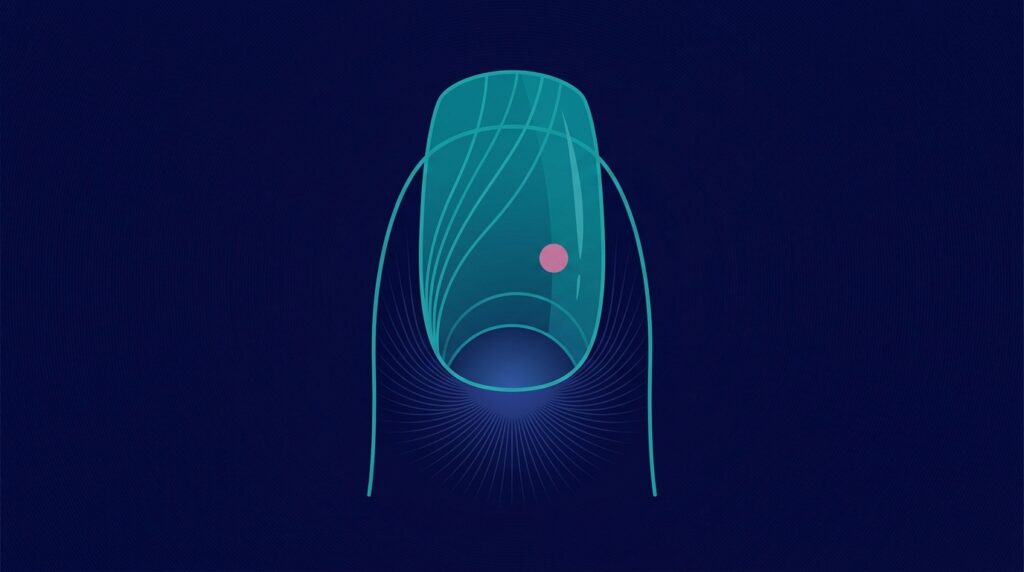
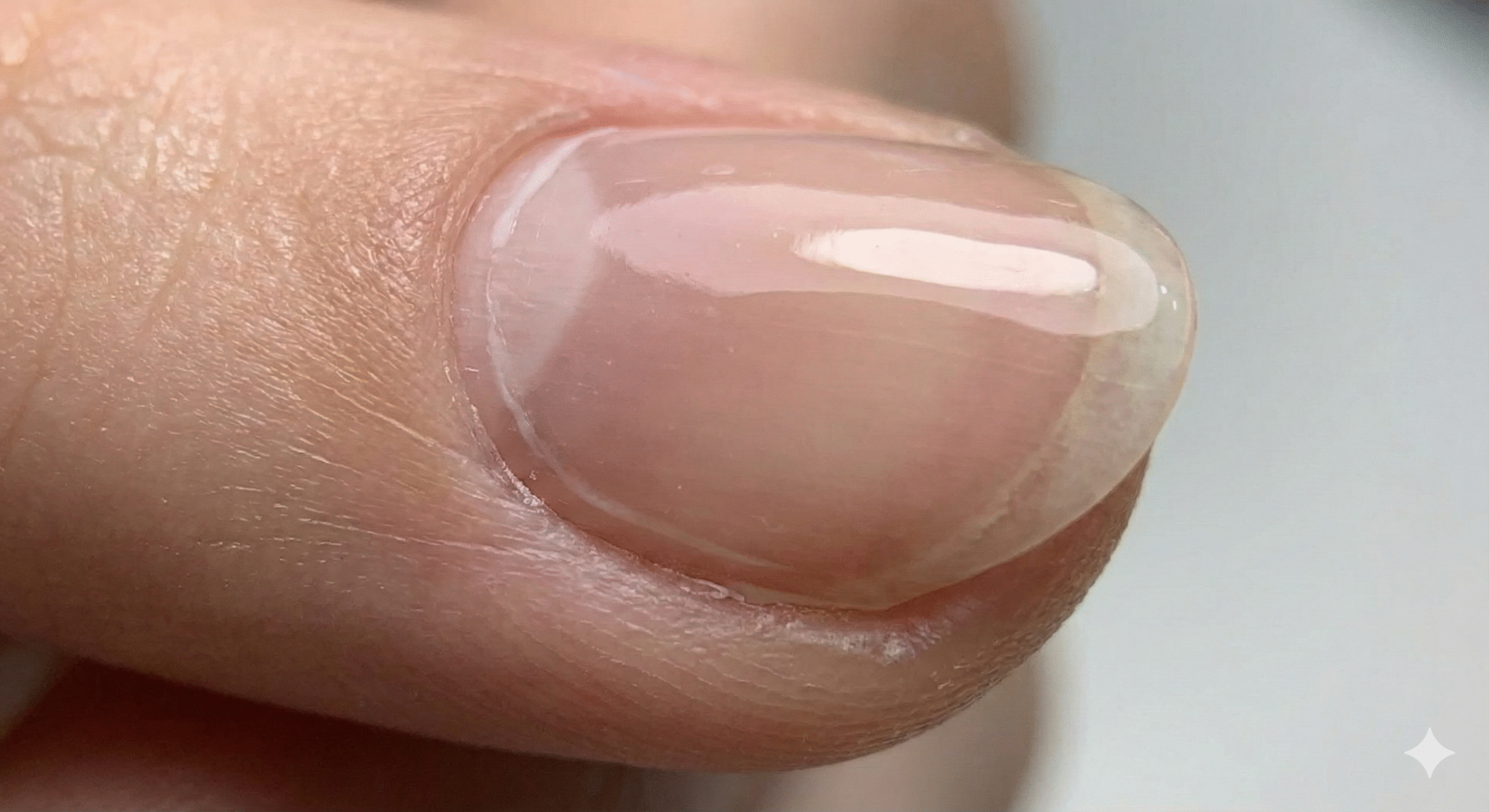
When your gel or acrylic enhancement starts to separate from the natural nail, air gets between the layers. That tiny pocket of air weakens the whole thing. The more it spreads, the more the product pops away. This applies to gels, builder gels, soft gel tips, and even acrylics.
It never starts big. Lifting begins as a thin line at the cuticle or a lifted corner at the free edge. Clients usually notice it when washing their hair, when it catches on clothing, or when picking up something heavy. It also comes with risks… lifting can lead to Greenies.
However, lifting is preventable. Most of the time.
The Importance of After Care
I prep every nail with the same level of care. Cuticle work, shaping, cleaning the nail plate, the whole process. My prep is consistent because your nails deserve it. But what happens after you leave is where things often go sideways.
Cold weather. Hands in hot water. Picking. Peeling. Constant hand washing. Heavy lifting. Long baths. Biting. Scratching labels off jars. Digging in bags for keys. Your nails are tough, but they have limits.
If you want long-lasting nails, your day-to-day choices matter.
The Most Common Causes of Lifting
Here are the things I see most often. You might recognise more than one.
1. Cuticles creeping back
Cuticles have one job. Protect the new nail as it grows. They do not care about your manicure. When they dry out, they expand and harden, then slowly creep forward like a tiny shield. The problem is that gel cannot bond to skin. Even the tiniest sliver of cuticle sitting on the nail plate creates a barrier, so your manicure is gripping onto dead skin rather than the actual nail. That skin eventually lifts, and the gel lifts with it.
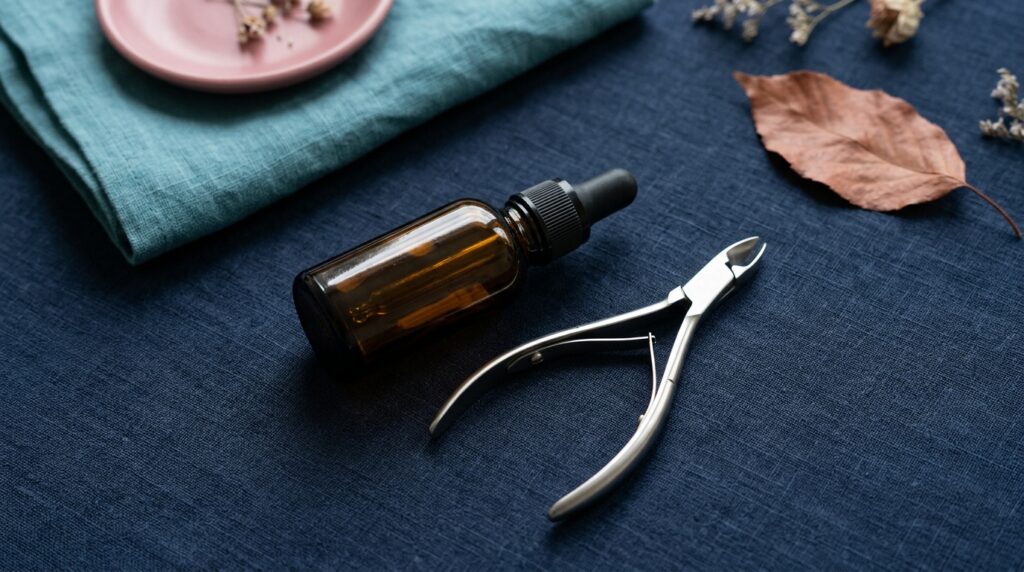
Daily cuticle oil keeps the skin soft, so it stays where it belongs. When the area around the nail is hydrated, the cuticle does not crawl onto the plate as aggressively, and your manicure stays tightly sealed for longer.
2. Heavy-handed behaviour
There is always a moment when someone admits the truth. They used their nails to scrape tape off a box or pry open a ring pull. Maybe they picked up something sharp or dug at a sticker. And then they wonder why the corner lifted.
Your nails cannot withstand the force you put on them when you treat them like little tools. The product bends only so far before the natural nail underneath gives way. When that happens, the product lifts as a warning. If you ignore it, the lift spreads. If you repeat it, the whole nail fails.
3. Picking or peeling
Peeling off gel is one of the fastest ways to ruin your natural nails. It feels satisfying in the moment. You think you are getting rid of just the colour. You are actually ripping away layers of your nail plate. Once those layers are thin or uneven, nothing sits properly on top. The next manicure lifts earlier, not because the product is wrong, but because the foundation has been damaged.
One tiny lifted edge might seem harmless. It never is. Once you tug at it, you create a weak spot that spreads beneath the surface where you cannot see it.
4. Too much water exposure
Your nails soak up water like little sponges. They expand in the bath, in the shower, or when you spend an hour washing dishes without gloves. When they dry, they contract. The product sitting on top cannot swell or shrink at the same rate, which creates tension. That tension causes lifting, especially near the free edge.
Hot water is the biggest problem. It softens the natural nail so much that the product loses some of its grip. Repeating this daily leads to gradual lifting that becomes obvious around the two-week mark.
5. Product on the skin
Gel must sit only on the nail plate. When it touches the skin and cures there, even slightly, it creates a cured flap that is not attached to anything solid. As your skin moves and stretches, that cured product pulls away and takes the rest with it.
I apply carefully to keep the product clean and precise. But if you flinch, twitch, or move when I am polishing near your skin, a tiny touch can happen. It looks harmless in the moment. It rarely stays harmless.
6. Wearing a product not suited to your lifestyle
Not all products behave the same. Some are flexible, which is great for natural nails that bend easily. Some are firm and structured, perfect for people who are hard on their hands. If you work with boxes, lift weights, scrub surfaces, or spend your days typing, your nails take more impact than you realise.
If you are wearing a gentle product when your lifestyle needs something stronger, lifting becomes a regular guest. Matching the right product to your day-to-day life is one of the most important parts of long-lasting nails.
7. Too much length for your nail strength
Everybody loves long, pretty nails. They make you feel elegant. They also act as levers. The longer the extension, the more pressure lands on the point where the nail meets the enhancement. If your natural nails are thin, soft, or tear easily, long nails multiply that strain.
Even a tiny knock can send a shock through the whole structure, causing lifting at the base or cracking at the free edge. Shorter nails are not a downgrade. They are often the smarter choice if you want durability and fewer repairs.
How To Prevent Lifting and Protect Your Nails
If you want your manicure to last, these habits can make all the difference.
• Apply cuticle oil daily
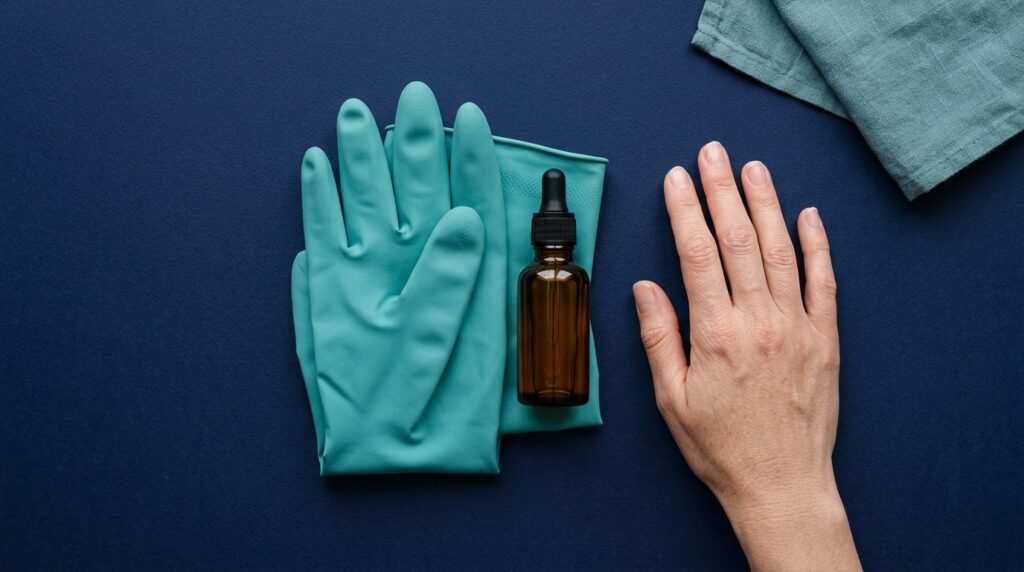
• Wear gloves for cleaning, dishwashing, and winter weather
• Avoid using your nails for lifting or prying
• Keep nails dry for the first 24 hours after your appointment
• If you feel a lift, contact your nail tech… no picking!
I know this sounds dramatic, but caring for your nails is not just about aesthetics. It is about protecting the structure underneath, keeping the manicure intact, and saving yourself repair costs.
When Lifting Is A Sign of Something Else
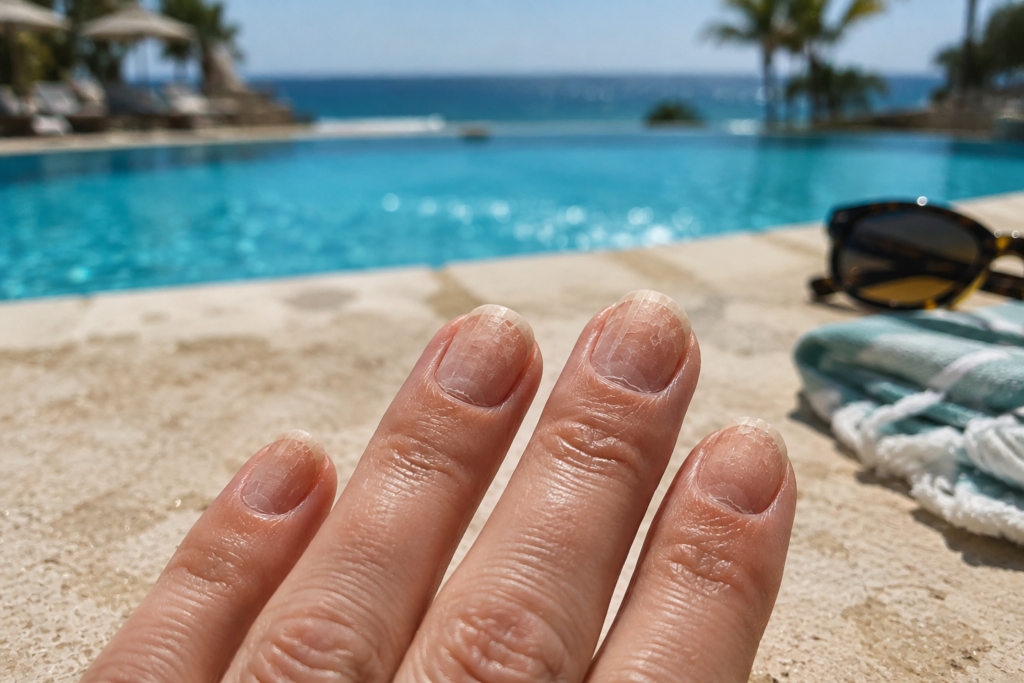
Sometimes lifting can hint at other things, like medication changes, hormonal shifts, dehydration, or a natural nail that is peeling underneath. It does not always mean you did something wrong. Nails are living tissue. They react to life just as much as skin and hair do.
If your nails lift regularly despite good care, you may need to reassess your product choice or routine.
My Honest Take
Lifting is avoidable in most cases. Once you walk out of the salon, the longevity of your manicure becomes a partnership between the nail tech’s work and your habits.
Treat your nails kindly. Oil them. Wear gloves. Leave the picking to me.
Your manicure will last longer, feel better, and look fresher for much longer into your appointment cycle.
If you are dealing with lifting now or want personalised care advice, just message me or ask at your next appointment. I am always happy to help keep your nails looking their best.