
Cuticles are one of the most misunderstood parts of nail care. They’re tiny, but they play a huge role in protecting your nails and keeping them healthy. Many people are tempted to cut them away for a neater look, but doing so can actually do more harm than good. In this guide, I’ll share why cuticle care is so important, why you should never cut them, and how to keep them looking tidy and healthy with safe at-home and salon practices.
Cutting your cuticles might seem like the quickest way to achieve a neat, tidy look, but in reality, it can cause more harm than good. Your cuticle (also known as the eponychium) acts as a natural seal, protecting the nail matrix — the area where new nail growth begins — from bacteria and infection. When damaged, that protective barrier is lost.
What Is the Cuticle?
The cuticle is the thin layer of dead skin cells that grows out from under the proximal nail fold and attaches to the nail plate. Its main job is to seal the gap between the skin and the nail, acting as a protective barrier against bacteria, fungi, and other irritants.
What Is Not the Cuticle?
This is where the confusion often lies. Many people assume that the skin at the base of the nail is the cuticle — but it’s not. That skin is called the proximal nail fold, and it should never be cut. Cutting into the proximal fold means cutting living tissue, which increases the risk of infection, pain, and long-term damage.
By contrast, the cuticle itself is non-living tissue. While it’s safe for a professional to gently remove excess cuticle from the nail plate, cutting into the proximal fold is never safe.
Why You Shouldn’t Cut Them
Here’s what can happen if you cut the skin around your nail:
- Infection risk: Breaking the skin creates a pathway for bacteria and fungi to enter.
- Nail damage: The nail matrix becomes exposed, which can slow growth or cause irregularities.
- Uneven regrowth: Cuticles don’t disappear when cut; they grow back unevenly, often rougher or harder.
- Pain and sensitivity: Cutting too close to living tissue can leave the area sore and inflamed.
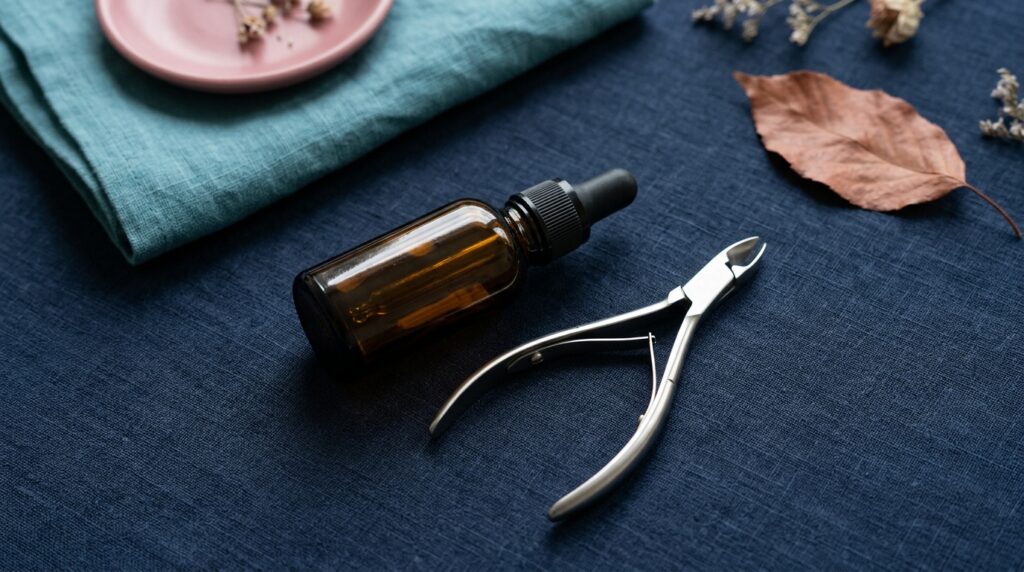
Trimming dead skin around the proximal fold may be necessary, but it should only be done by a trained nail professional. Recognising the difference between living tissue and non-viable skin takes training, skill and experience. In my salon, I never cut living tissue — I only remove dead skin that can be tidied safely. This approach maintains the protective barrier while still achieving a clean, well-groomed appearance.
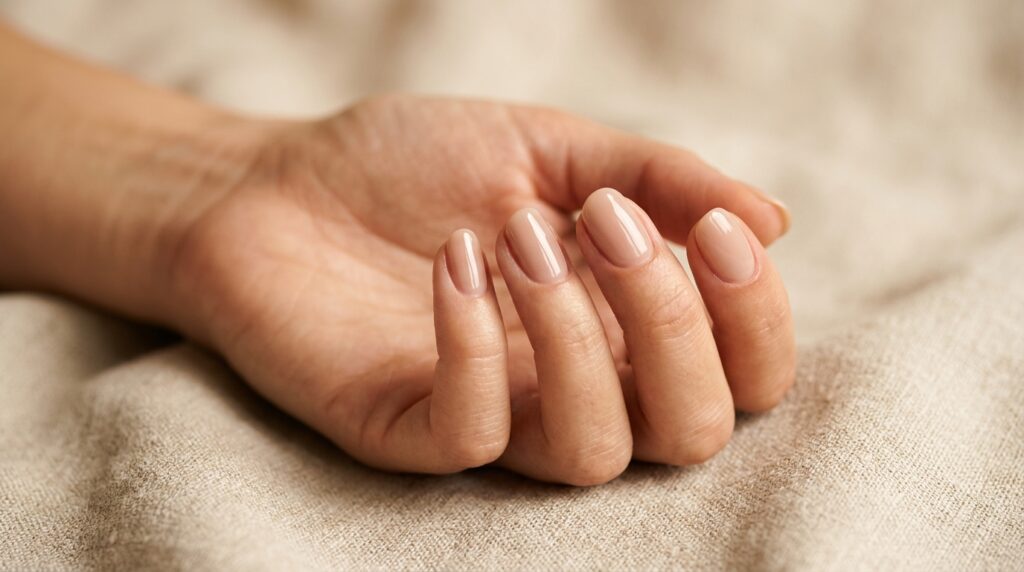
If you want that “no-cuticle” aesthetic, the secret isn’t cutting — it’s consistent cuticle care. By gently pushing back your cuticles regularly and applying cuticle oil daily, you’ll keep them soft, neat, and healthy without compromising the natural protection your nails rely on.
Safe Alternatives to Cutting
If you want that clean, “no-cuticle” aesthetic, the secret isn’t cutting — it’s consistent cuticle care. By gently pushing back your cuticles regularly and applying cuticle oil daily, you’ll keep them soft, neat, and healthy without compromising the natural protection your nails rely on.
Safe ways to manage your cuticles at home:
- Push them back gently: After a warm shower or a quick soak, use a cuticle stick or pusher to nudge them back.
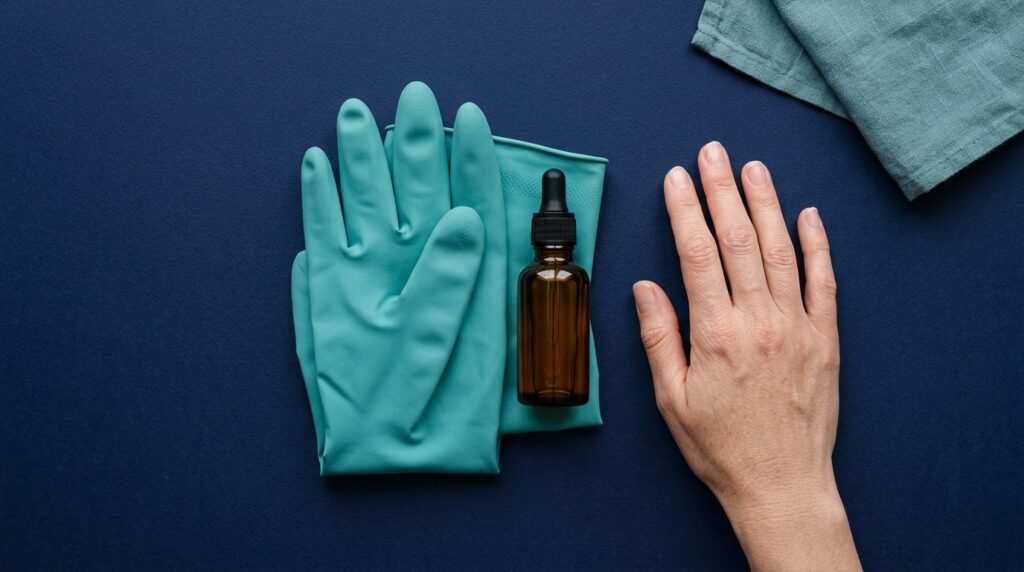
- Hydrate daily: Apply cuticle oil (I use professional-only, hypoallergenic products in the salon, such as Nail Order oils) to keep the skin soft and flexible.
- Exfoliate lightly: Use a gentle scrub around the nail area once or twice a week to remove dead skin cells.
Best Practices for At-Home Cuticle Care
Want to look after your nails between salon visits? Here’s a simple routine you can follow:
- Wash your hands and soak your fingertips in warm water for a few minutes.
- Apply a drop of cuticle oil and massage it in.
- Use a wooden cuticle stick to push back any excess skin gently.
- Moisturise your hands to lock in hydration.
- Repeat the soak weekly and oil cuticles daily.
Salon vs DIY Cuticle Care
At a professional salon like mine, I never cut living tissue around the proximal fold. Instead, I carefully push cuticles back using a cuticle pusher, orangewood stick, or my e-file (the tool I choose depends on your skin type). This dry manicure method ensures I only remove dead skin from the cuticle area, keeping your natural protective barrier intact.
A word of caution: not all salons follow safe cuticle practices. If you see tools being used to cut deep into the skin, it’s best to walk away. Always choose a trained nail technician who prioritises your nail health over quick fixes or shortcuts.
Recommended Products
When it comes to cuticle care, the products you use make all the difference. I recommend Nail Order Cuticle Oils, which I stock in my salon and online. These oils are vegan, nut-free, palm oil-free, cruelty-free, and proudly made in the UK. They’re packed with nourishing ingredients that keep your cuticles soft and hydrated — and they smell absolutely amazing.
If you’re looking for an easy way to boost your nail health between salon visits, applying a drop of cuticle oil daily is one of the simplest and most effective habits you can adopt.
Cuticles are there for a reason: to protect your nails. Cutting them weakens that natural defence, leaving your nails vulnerable to problems like infections, peeling, or slow growth. By adopting a routine of gentle pushing back, daily hydration, and regular salon visits, you’ll keep your nails healthier, stronger, and looking their best. No cutting necessary.
💡 Want to learn more about nail health? Check out my post: What are greenies? and how to prevent them!