There’s a certain appeal to it, I get it. You see a kit on Amazon or TikTok, a little UV lamp, a few bottles of gel polish, maybe some rhinestones, and the whole thing costs less than a single salon appointment. Why wouldn’t you give it a go?
Before we get into this let me just state: I’m not here to gatekeep nails. If you want to paint your nails at home, that’s brilliant, genuinely. But I do want to talk honestly about what you’re actually buying when you pick up one of those at-home gel kits, because the reality doesn’t match the marketing. And some of it matters more than you might think.
The UV lamp conversation
Let’s start with the elephant in the room. UV and LED lamps cure gel polish by emitting ultraviolet light. That’s how they work, there’s no getting around it. In a professional setting, I know my lamp’s wavelength, its power output, and exactly how long each product needs to cure. I know which products are compatible with which lamp. I know when to replace the bulbs.
Most home kits don’t give you any of that. You get a lamp and some polish, and you’re left hoping they were actually designed to work together.
If the lamp doesn’t match the product’s photoinitiator, the ingredient that reacts to UV light to harden the gel, you can end up with polish that feels dry on the surface but hasn’t cured underneath. That means chemicals sitting against your nail plate and skin that should have been locked into a solid, inert film. It’s not a cosmetic issue. It’s a safety one.
There’s also growing research around UV exposure from nail lamps. The risk from professional-grade lamps used correctly and infrequently is considered low, but cheap, unregulated lamps with unknown output are a different conversation. You don’t know what you’re exposing your skin to, and the product listing on Amazon isn’t going to tell you.
The product quality problem
Professional nail products go through rigorous testing. They’re formulated for specific lamps and application techniques, and, crucially, they’re designed to be removed safely.
The gel polish in most home kits is a different story. Some contain ingredients that have been restricted or banned in professional products in the UK and EU. Some are poorly labelled. Some aren’t gel polish at all, they’re a hybrid that doesn’t soak off cleanly and doesn’t file off easily either.
I’ve seen the aftermath of home gel kits more times than I can count. Peeling layers of natural nail, allergic reactions from uncured product, and damage that takes months to grow out. The money saved on a home kit gets spent on damage control instead.
Here’s the thing that really concerns me: methacrylate allergies. Repeated skin contact with uncured gel, which is almost inevitable without proper training, can sensitise you to methacrylates. Once that happens, it’s permanent. You won’t just lose the option of doing your own gel nails at home. You may not be able to wear professionally applied gel polish, builder gel, or acrylics ever again. Some people even react to dental fillings and joint replacements that contain methacrylates.
That’s not a scare tactic. It’s a real consequence that’s becoming more common as home gel use increases.
What home kits can’t replicate
Even if you had a perfectly calibrated lamp and high-quality, properly regulated gel polish, there’s still a gap between a home gel manicure and a professional one, and it’s not just about the finish.
A proper gel manicure starts with nail preparation. That means cuticle work, shaping, dehydrating the nail plate, and applying product with controlled, even pressure so nothing touches the skin. Every step matters, because gel polish that touches the cuticle or sidewalls will lift, and lifting creates pockets where moisture gets trapped, which can lead to bacterial infections like greenies.
Removal is the other half of it. Picking or peeling off gel takes layers of your natural nail with it. Even soak-off removal requires patience, proper technique, and aftercare. Most people at home skip the aftercare entirely, then wonder why their nails look thin, peel, or feel weak afterwards.
What you can do at home (that’s actually worth doing)
I’m a big believer in at-home nail care. There’s plenty you can do between appointments, or instead of appointments, that will genuinely improve the health and appearance of your nails without any of the risks.
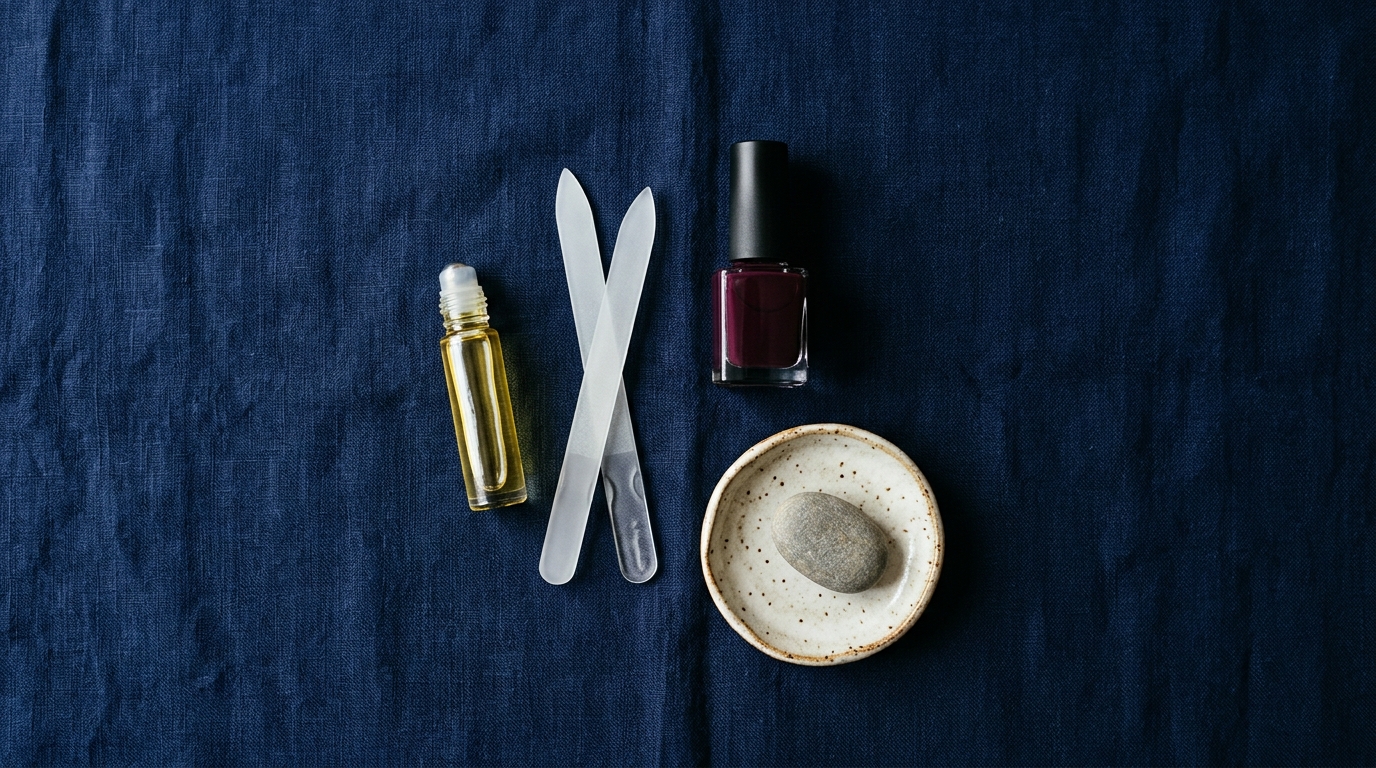
Cuticle oil. Twice a day, minimum. It makes more difference than any product you could put on top of your nails. I’ve written a full guide on why cuticle care matters and how to do it properly.
A good regular nail polish. Not everything needs to be gel. A quality regular polish, applied well over a decent base coat, can look beautiful and lasts better than you’d think. And it comes off with standard remover, no lamp, no soaking, no risk. If you’re after brands worth trying, I’ve put together a list of vegan and cruelty-free options that are genuinely good.
Proper nail tools. A crystal or glass file instead of old-fashioned emery boards. A cuticle pusher rather than nippers. A gentle buffer if you want a bit of shine without polish. Small investments that make a noticeable difference.
It’s not about gatekeeping
I know how this kind of post can come across. “Of course the nail tech says don’t do your own nails at home.” But this isn’t about protecting my bookings. I’d rather you had beautiful, healthy natural nails with regular polish than damaged nails from a cheap gel kit.
The industry has a real problem with unregulated products reaching consumers who don’t have the training to use them safely. That’s not your fault. The marketing is designed to make it look easy. But easy and safe aren’t the same thing, and the consequences of getting it wrong aren’t always obvious until the damage is done.
If you love the look of gel nails, book in with a qualified nail technician who uses professional-grade products and takes the time to do things properly. If you want to do your nails at home, skip the lamp and invest in great regular polish, good tools, and consistent nail care instead.
Your nails will thank you for it.