If you want to strengthen your nails or add length, you’ll often hear me talk about builder gel and hard gel. Both are professional products that last for weeks, but they’re not the same. Each has its own strengths, and each suits a different type of client.
Builder Gel
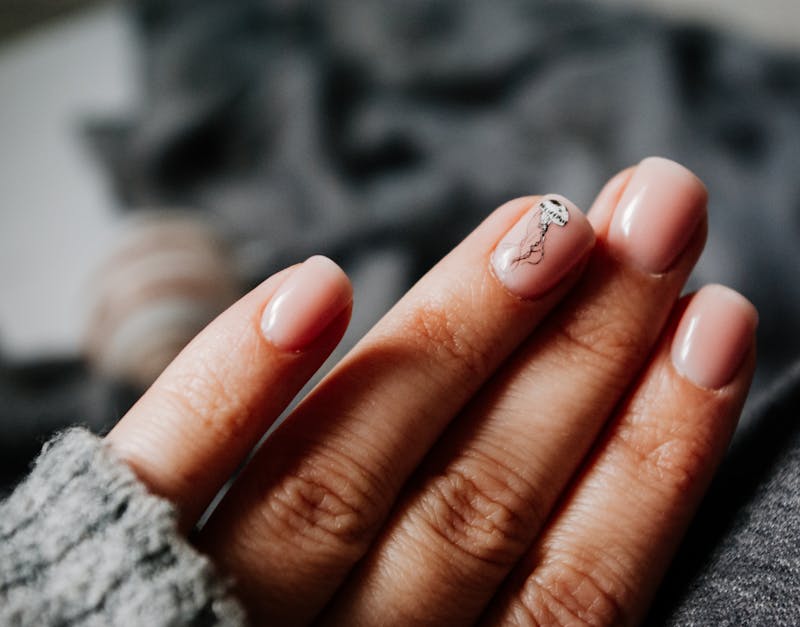
Builder gel is designed to give your natural nails a boost. It acts as a protective layer, making them stronger and less likely to peel or break. I often recommend it to clients who are trying to grow their own nails or who want a tidy, low-maintenance finish.
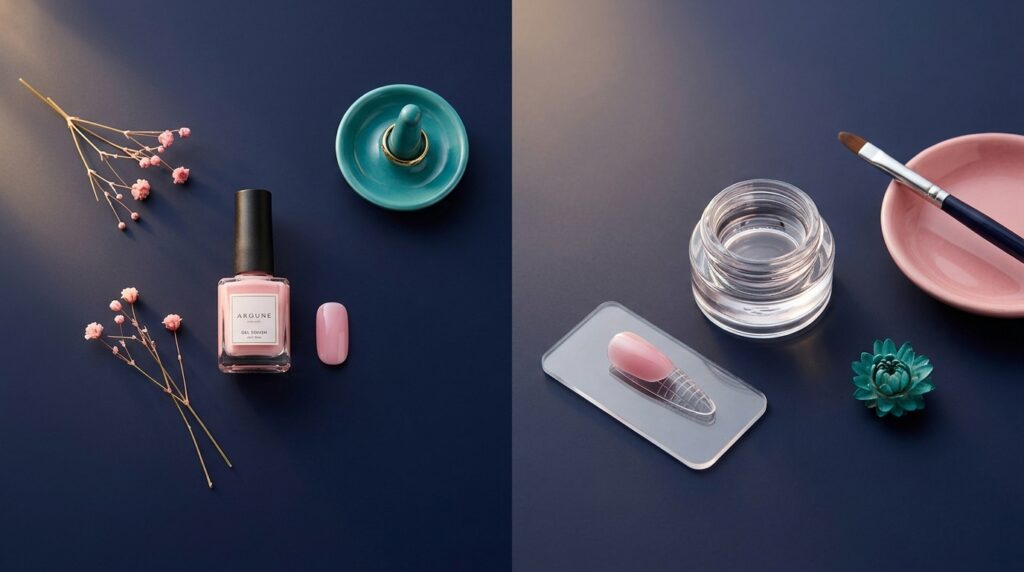
It comes in two formats. Builder in a bottle feels familiar, as it applies like polish. It’s a soak-off gel, which means I can remove it with acetone during your appointment without filing through the surface of your nail. It’s quick, clean, and ideal for those who prefer short, natural-looking nails that just need a little more strength.
Builder in a pot is a thicker gel applied with a brush. It gives me more control and allows for a touch more structure, which is great if you want your nails to feel a bit sturdier. Many formulas soak off, although some may need to be filed away. Clients who like a neat overlay with a little extra support often prefer this option.
Builder gel does have limits. It isn’t strong enough to sculpt long extensions. Think of it as the perfect choice for clients who want their natural nails to look and feel their best without going long or dramatic.
Key Features
Builder in a Bottle:
- Format: Comes in a nail polish-style bottle with a brush applicator for easy application.
- Best For: Overlays and natural nail strengthening.
- Removal: Soakable in acetone, making it less harsh on the natural nails.
- Benefits: Lightweight, easy to apply, and great for clients who want a natural finish.
Builder in a Pot:
- Format: A thicker gel product that comes in a pot and requires a separate brush for application.
- Best For: Medium-strength overlays or adding minor structure to natural nails.
- Removal: Many BIAP formulas are soakable, but some may need to be filed off.
- Benefits: Offers more control for precise application and is ideal for nail techs working with thicker gel products.
Hard Gel
Hard gel is a very different product. It’s non-porous, so it can’t soak off in acetone. Instead, it’s always filed away. This makes it stronger and longer-wearing, which is why I reach for it when a client wants long extensions or bold shapes.
It’s applied from a pot with a brush and can be sculpted onto forms or applied over tips. That means I can create custom lengths, tapered styles, or even encapsulated designs where glitter or art is sealed inside the nail. Clients who want a glamorous set that makes a statement often love hard gel.
Because it’s lighter than acrylic, it feels comfortable to wear despite its strength. It’s a good match for anyone who needs nails that hold up under daily use, whether that’s typing all day or handling more physical tasks. If you want length that lasts without worrying about breakage, hard gel is the answer.
Key Features of Hard Gel:
- Application: Applied with a brush from a pot and often sculpted on forms or tips for extensions.
- Best For: Creating long extensions, extreme shapes, or encapsulated nail art.
- Removal: Must be filed off, as it cannot be soaked in acetone.
- Benefits: Extremely durable, resistant to lifting, and lighter in weight compared to acrylics.
Key Differences Between Builder Gel and Hard Gel
- Durability and Strength:
- Hard Gel: Known for its superior strength, hard gel is ideal for clients who need maximum durability, such as those with active lifestyles or those wanting long, sculpted extensions.
- Builder Gel: While strong enough for overlays and protecting natural nails, builder gel is not designed for sculpting extensions.
- Application Method:
- Hard Gel: Requires a brush and pot, making it a bit more technical. It’s excellent for nail techs experienced with sculpting.
- Builder Gel: BIAB is beginner-friendly, with its polish-style brush, while BIAP offers a middle ground, combining precision with versatility.
- Removal Process:
- Hard Gel: Must be filed off due to its non-porous nature, which can make removal more time-intensive.
- Builder Gel: Most builder gels are soakable in acetone, making them gentler on natural nails.
- Flexibility and Weight:
- Hard Gel: Lightweight and less prone to cracking under pressure, making it great for extensions.
- Builder Gel: Flexible and less rigid, providing a more natural feel that’s perfect for strengthening natural nails.
- Best Uses:
- Hard Gel: Long extensions, custom shapes, and encapsulated designs.
- Builder Gel: Strengthening natural nails and overlays.
Which One Suits You?
If you want your natural nails to grow without splitting, builder gel is the way to go. It’s perfect for shorter nails, regular overlays, and clients who like a clean, natural look that can still be finished with colour. The soak-off removal is gentle, so it’s a great choice if you want to keep your natural nails healthy over time.
If your goal is long nails with more structure, hard gel will serve you better. It gives me the flexibility to shape and build, and it withstands more wear and tear. It’s for clients who want dramatic extensions or who know their lifestyle demands maximum strength.
When to Choose Builder Gel Over Hard Gel
Builder gel is the ideal choice if:
- You want to strengthen your natural nails.
- You’re looking for a soak-off product that’s gentler to remove.
- You prefer a natural finish or shorter nail length.
- You’re new to nail enhancements and want a beginner-friendly option.
When to Choose Hard Gel Over Builder Gel
Hard gel is the better choice if:
- You need long, durable extensions or extreme shapes.
- You want maximum strength and resistance to lifting.
- You’re interested in custom sculpting or encapsulated nail art.
- You don’t mind a file-off removal process.
My Advice
Both products create beautiful nails, but the best choice ultimately depends on your lifestyle and the desired look. If you’re unsure, we can talk through your options during your appointment. I’ll match the product to your nails and your goals, so you leave with a set that looks stunning and lasts.
👉 Book your appointment today and let’s find the right fit for you.